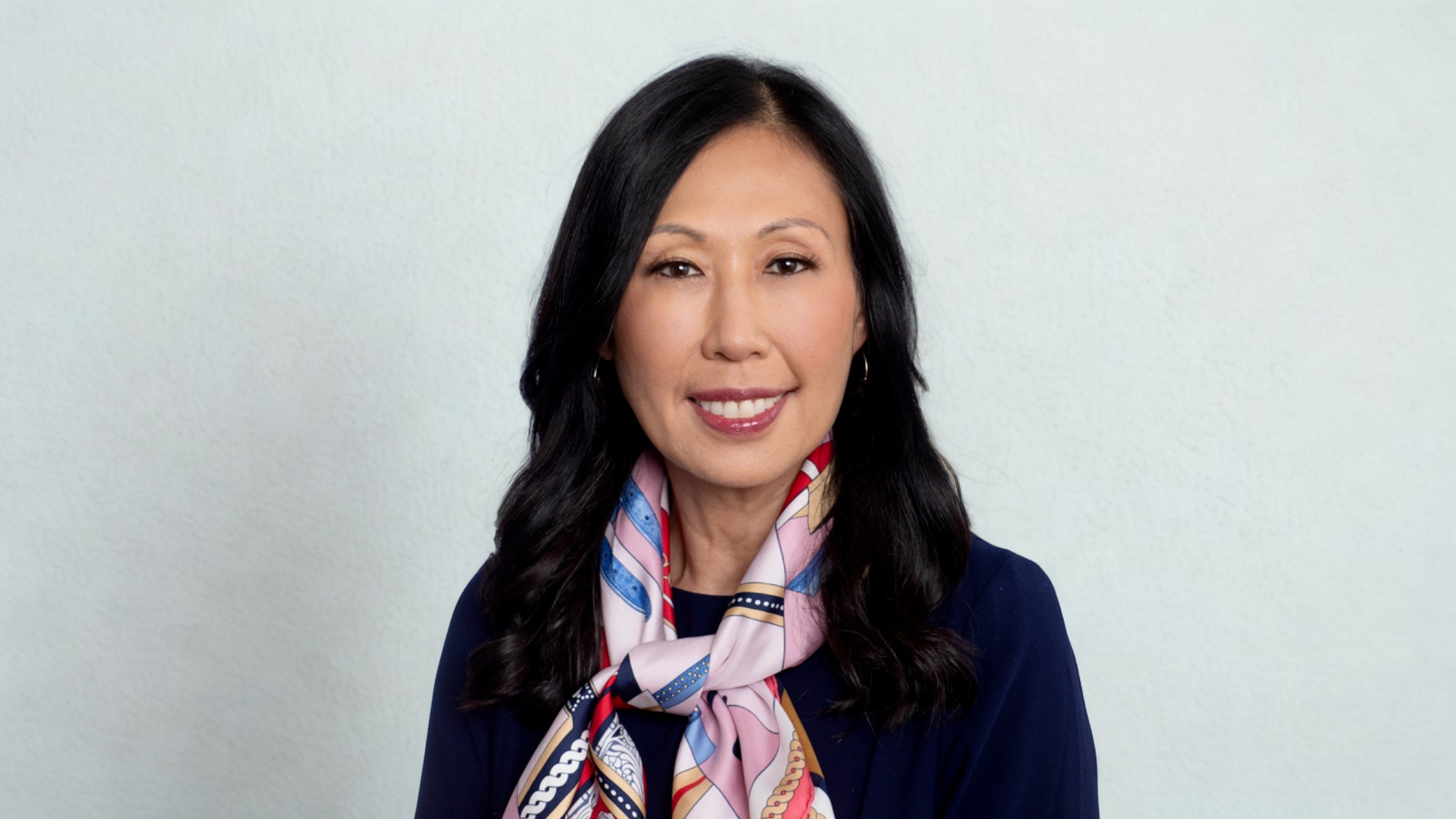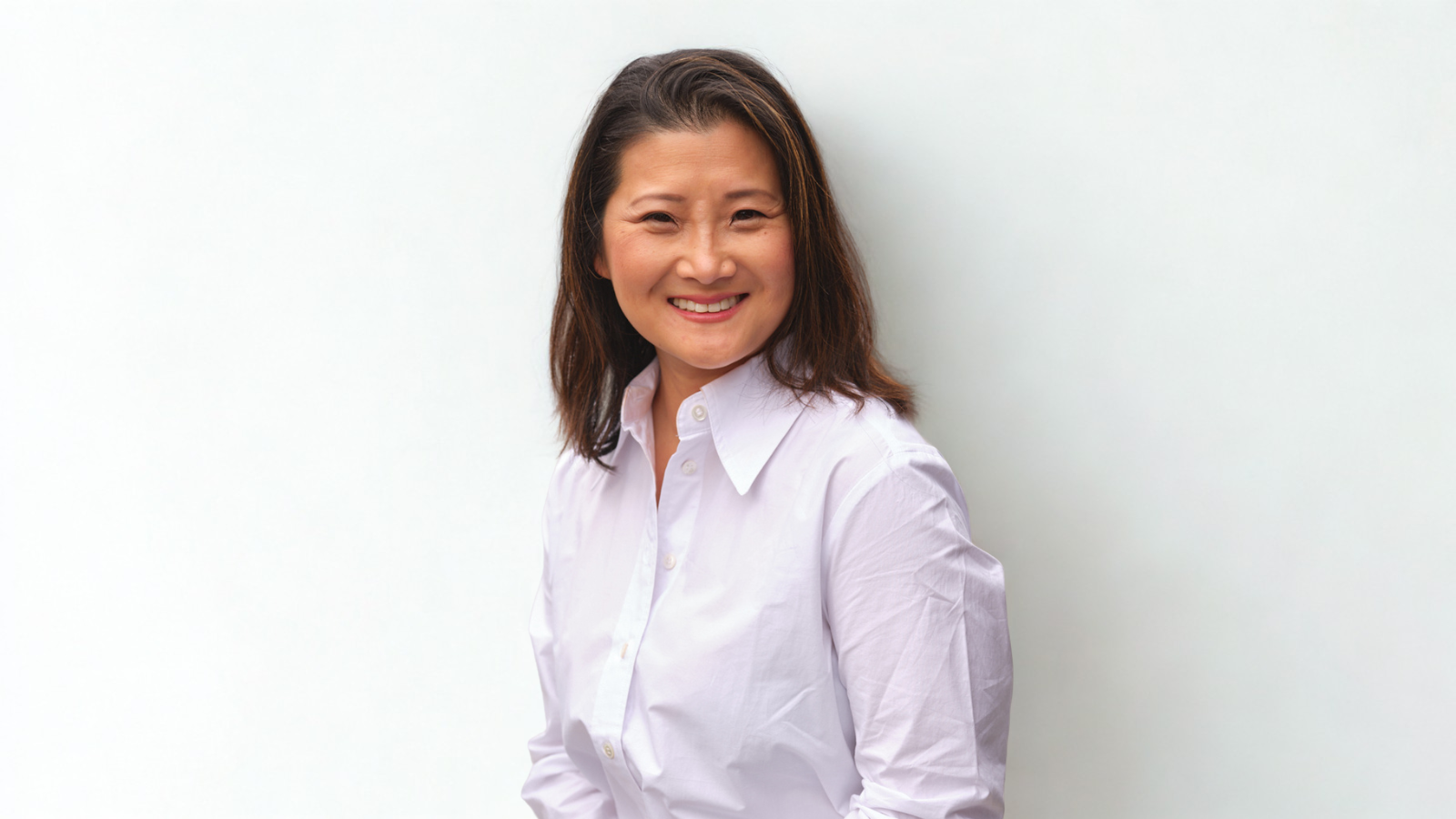



Interview Ina Jungin Lee
A Taste of Home: Finding Comfort and Belonging in Korean Food
In a Korean restaurant in San Francisco, a customer finishes her meal and approaches the owner with tears in her eyes, describing the food as ‘a warm hug that I really, really needed.’ For Ina Jungin Lee, moments like this validate a 25-year mission that began with making kimchi from memory in rural Idaho and evolved into building a Korean food empire that prioritizes accessibility without sacrificing authenticity.
Today, Ina operates multiple Korean food ventures: The Korner Store Bites & Vibes, several Matko locations, a ‘Heat & Serve’ frozen food line, and monthly community dinners. Her success made it possible to bring her entire family from Korea to work alongside her, creating what she calls “our nest and the engine of the whole kitchen of food.”
Bringing sensory memories to life
When Ina arrived in the United States in 2000 at age 20, home became something she could only access through taste and smell. Living in a small Idaho border town where “there was one Chinese restaurant for Asian food,“ she found herself far from the familiar flavors of Korea.
Every two weeks, “a Korean ‘아저씨’ (Ajusshi, a Korean term referring to a middle-aged man) would bring Korean goodies in a big blue truck. He had Korean vegetables, condiments, and ingredients, and soon all the Korean ladies in town gathered. In Korean, we call it ‘장’ (Jang), which translates to “market.” It was like a mini market that magically popped up every other Saturday afternoon — open for just a couple of hours. You did not want to miss it! He specifically sold Napa cabbages individually, or you could buy a whole case. He also had jars of kimchi already made, but when I did the math, those jars were way more expensive compared to how many I could make from just one case of Napa cabbage. That’s when I thought I’d better roll up my sleeves and try making my own kimchi!”
Armed with only sensory memories of her mother’s kitchen, Ina began recreating home through food. Her mother, who ran Korean restaurants and small businesses while raising her children in Korea, had never formally taught Ina to cook. “My Mom didn’t teach me but she would make everything for us.“ Yet somehow, the essence of her mother’s cooking had embedded itself in Ina’s memory through years of observation.
“In my head, I had to go through which flavors and ingredients, and try to imagine what I need to put in order to create that.“ When she shared her kimchi with other Korean students, they were amazed. “You need to sell this, it’s so good,“ they told her. She had discovered that the comfort of home could be recreated through careful attention to the flavors and techniques her mother had unconsciously transmitted.
Carrying Home Forward to San Francisco
After studying in Utah, Ina faced a pivotal decision about where to continue her studies in visual communication. The choice between art schools in New York and San Francisco would determine where she could build something meaningful.
Q: What drew you to San Francisco over New York?
Ina: I really wanted to go to New York. The city was for me… But when I visited the school, I didn’t feel the right energy. I came to San Francisco to visit another school. I was really impressed by the artwork I saw on my way to the Graphic Design Department’s office. I was wandering around the building, looking for someone to answer my questions and eventually found the director’s office. I walked in, hopeful and excited to get some guidance. But instead of the warm welcome I expected, the Director was careless and dismissive. At that moment, all my excitement drained away, and I felt so disappointed. I had made up my mind — this school was not for me, and I was ready to walk away. Then she said one thing: ‘This school is the best art school in the nation.’ I looked straight into her eyes and replied, ‘This is exactly what I wanted to hear!’ And I applied to the school right away.
San Francisco became the place where Ina could finally build something lasting. After graduating with honors in 2008, she established herself as a designer in Sausalito, working in the corporate world for five and a half years. However, as her family faced a financial crisis in Korea, she began seeking additional income through freelance design projects. It was through this work that she encountered a friend’s Korean restaurant, featuring a build-your-own bibimbap concept—a project that would fundamentally change her life’s direction.
The restaurant project awakened something dormant in her creative spirit that her corporate design work had never satisfied.
Q: How did working on the restaurant project change your perspective on your career?
Ina: When I discovered this opportunity, I felt this spark… As a designer, my job is to create visuals that connect and communicate clearly with people. So I began thinking about how to communicate this new fast-casual ‘build-your-own’ concept, reach more people, and get them excited. At that time, there were no fast-casual concepts for Korean food, which made the opportunity even more unique. My mind was already racing with ideas, imagining how I could make this a success.
Q: Then you became very passionate about creating new concepts and experiences that blend Korean food and culture. What was your vision of what Korean restaurants could become?
Ina: Yes, I became very passionate about creating new concepts with Korean food and culture. Back in 2012, Korean food wasn’t very approachable. If you weren’t Korean, or didn’t have a Korean friend, you probably wouldn’t step into a Korean restaurant. Many were run by ‘아줌마’ (Ajumma, refers to a married, or middle-aged woman) who only took orders in Korean, with big menus written only in Korean. My vision was to change that. I wanted Korean food to be something national and international — easy, accessible, and approachable, while still being authentic. I wanted to open the door wider so that more people could experience the real flavor of Korea, but in a way that felt welcoming, warm, and easy to enjoy.

When her friend decided to sell the restaurant after a year of struggling, Ina couldn’t bear to see the vision disappear. In 2013, she took over operations, starting from the ground up—sweeping floors, cleaning, preparing food, and washing dishes. Once she had mastered the essentials, she turned her focus to strengthening systems with efficiency, asking how to provide quicker service so customers could spend more of their lunch break enjoying their meal rather than waiting in line. Her systematic approach quickly doubled sales, proving that her designer’s methodology—building efficient systems that communicate clearly with customers—could transform Korean food service. This success became the proof of concept that later grew into her Matko empire, validating her belief that Korean food could be both accessible and authentic when presented with clarity and care.

From The Korner Store to MATKO
Following the success of her first restaurant and then the Covid pandemic, Ina continued her journey through new challenges and opportunities. By 2022, she had established the restaurants The Korner Store and Matko, as well as Hwaro, a space that served as both the family “nest” and Matko’s central kitchen. Her parents and brother had joined her in San Francisco.
Q: How did The Korner Store restaurant come to be?
Ina: “The Korner Store’s initial idea was to create a space where people could casually drop in and feel as if they were in Korea. In September 2021, right in the middle of the pandemic, I wanted to bring people fresh energy and excitement by sharing Korean food and culture—a way to lift spirits during such a difficult time. In Korea, the convenience store is a big part of everyday life, so The Korner Store was like an invitation for people to ‘time travel’ to Korea: a super casual spot to enjoy music, sip soju cocktails, and eat Korean street food. Nothing fancy, just simple and fun, like stopping by your neighborhood corner store—only with a ‘K’ for Korean. […] The restaurant was gaining so much popularity that we had to relocate because of the noise. So I relocated it to the formal Hwaro space that already served as Matko’s central kitchen. . […] After relocating, we rebranded it as The Korner Store Bites & Vibes—‘Bites’ for the wide range of food options (thanks to a bigger kitchen!) and ‘Vibes’ for the live music and full bar. With the larger space, we could host more events and bring the energy of Korea’s nightlife to San Francisco. We started holding regular K-pop events—so popular that people even drove in from Sacramento to join the party! Today, The Korner Store Bites & Vibes also serves as our family’s operational headquarters. Everyone—my mom, dad, brother, and I—are still in the kitchen cooking together. It’s both the heart of our business and a fun, vibrant gathering place.
Simultaneously, Ina was continuing to develop her separate MATKO concept—a name derived from the Korean word “맛“ for “taste”—that would revolutionize how Korean food was served and perceived. “I already had a vision for MATKO while I was opening Hwaro and that included everything I had learned but in an upgraded version.“

Q: What aspect of Korean food did you want to bring with MATKO?
Ina: My definition of Korean food comes from the meals I grew up eating in Korea, cooked by my mom every single day. Korean home food is very humble — there’s always rice and a refrigerator full of banchan. You just pull out a few sides, add a protein or a soup, and suddenly you’ve built a complete meal. That idea is still at the heart of Matko. We let people build their own Korean bowl: you can start with purple rice, japchae noodles, or spinach if you want something lighter. Then you choose from eight different banchan, and finish it off with a protein like bulgogi, savory chicken, or soft tofu. It’s authentic Korean home cooking, but in a format that feels fresh, modern, and approachable.
The MATKO brand operates separately from The Korner Store Bites & Vibes, with multiple locations featuring a build-your-own Korean bowl concept. It also includes Matko at Home—”heat & serve” frozen meals, banchan packs, and sauces designed to make authentic Korean food more accessible for busy families. At its Valencia Street location, MATKO even offers Korean snacks and beverages, creating a mini-mart experience alongside its restaurant.
Q: You’ve built a lot through the years. What moments were the most rewarding for you?
Ina: One day, a woman had just finished her haejangguk — our hangover soup — and she told me, ‘This soup is like a warm hug that I really, really needed.’ Another time, I noticed a customer quietly crying while eating. I asked if everything was okay, and she said, ‘Your food makes me think of my mom, and I feel her love.’ We ended up holding hands and crying together. Moments like these mean everything to me — they remind me why I do this. It’s not just food, it’s connection, comfort, and love.
These moments demonstrate that Ina has successfully transmitted her mother’s “magic”—the ability to convey love and care through food—to customers regardless of their cultural background.
Nourishing support and connections through Korean Food
Both The Korner Store and MATKO also serve Ina’s broader mission of community building. The Korner Store functions as the operational heart where her family works together, but also represents Korea’s night life (including street food, convenience store, and soju!), while MATKO represents Korea’s daily life.
Recognizing that busy mothers often struggle to provide nourishing meals, Ina developed a ‘Heat & Serve’ line under the MATKO brand featuring labor-intensive dishes like seolleongtang, bulgogi, and kimchi pork ribs. “Young moms today have so much on their plate—they’re caring for children, juggling responsibilities, and often don’t have the time to cook even if they want to. Many feel guilty when they can’t prepare meals the way they wish to for their families.”

This insight led to “Queen’s Table”—monthly dinners launched in July 2025 at The Korner Store where 24 mothers from diverse backgrounds gather to experience Korean food and network. “We call moms queens, because they’re the pillar of the family. When moms are happy, kids are happy. When kids are happy, families are happy. And when families are happy, the whole universe feels brighter. For me, everything starts with the mom.” The events consistently attract non-Korean mothers seeking community and convenient meal solutions, with participants purchasing frozen foods and banchan for home use.
“Food is a love language—but when you don’t have time, it can feel like you’re running out of love,” Ina explains. Through her events, she offers both practical solutions and emotional support for mothers navigating the challenges of modern parenting.
Food is a love language
Ina’s work coincided with broader cultural shifts that increased demand for Korean food across the Bay Area. K-pop, Netflix dramas, and Korean cinema created curiosity about Korean culture that extended to cuisine. “I think the potential for Korean food has always been there — it was really about the demand. And as that demand grows, it gives young chefs the confidence to be creative and to show what they’ve got.“

When asked about cultural touchstones that resonate with her mission, Ina pointed to the K-drama “My Mister” for its portrayal of quiet resilience and unspoken love. “It captures something so true about the Korean spirit, that in Korea we learn to endure. Life can be tough, but we just keep going for family or community. Love isn’t always spoken. There’s a very quiet love in there… The quiet moment can be a healing moment.“ This philosophy permeates everything she has built—spaces where nourishment and care communicate more powerfully than words.
Twenty-five years after arriving as a young woman in rural Idaho, Ina has fundamentally redefined what home means to her. “San Francisco is home. Because it’s where my family is, where we built restaurants together, where we live and cook and argue and laugh together… We rebuilt everything in San Francisco.“
Looking ahead, Ina envisions expanding MATKO’s reach beyond the Bay Area. Her deeper achievement, however, lies in demonstrating that home isn’t just a geographic location—it can be discovered wherever someone is willing to cook with love and share it generously. “I want people to feel loved and connected when they eat MATKO food. Mom’s food has a magical power—it heals people. And it doesn’t have to be my mom’s food; whenever you eat food made by a mom, you can feel that love and warmth.” Ina reflects.
Everything began with Ina’s longing for her mother when she first arrived in the U.S. “It started with mom, and it comes back to mom—because moms represent the truest kind of love,” she says, committed to sharing that sense of home with anyone who needs it.